
Amid concerns that substantial research resources remain underutilized, leaders of CT Group have proposed deploying Vietnam’s first quantum computer to serve the biotechnology industry. This is regarded as a breakthrough in digital infrastructure, enabling the realization of key resolutions issued by the Politburo.
Infrastructure not yet commensurate with potential
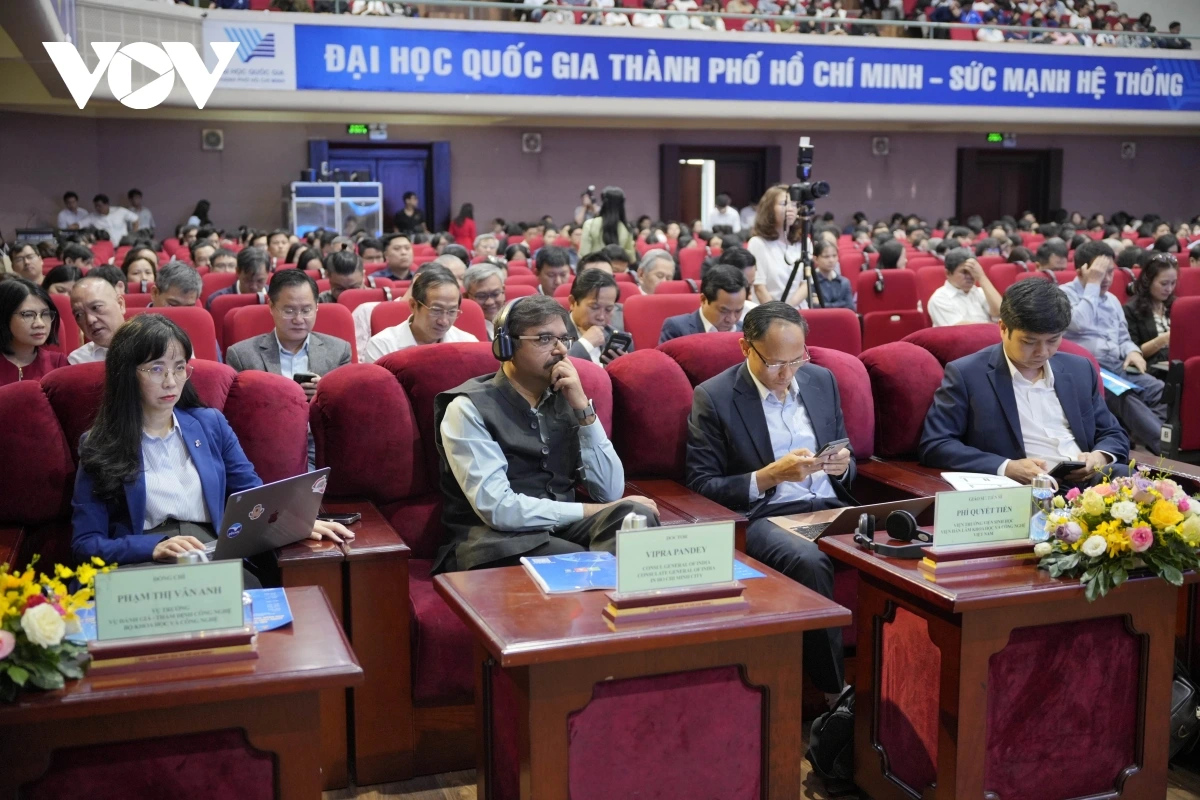
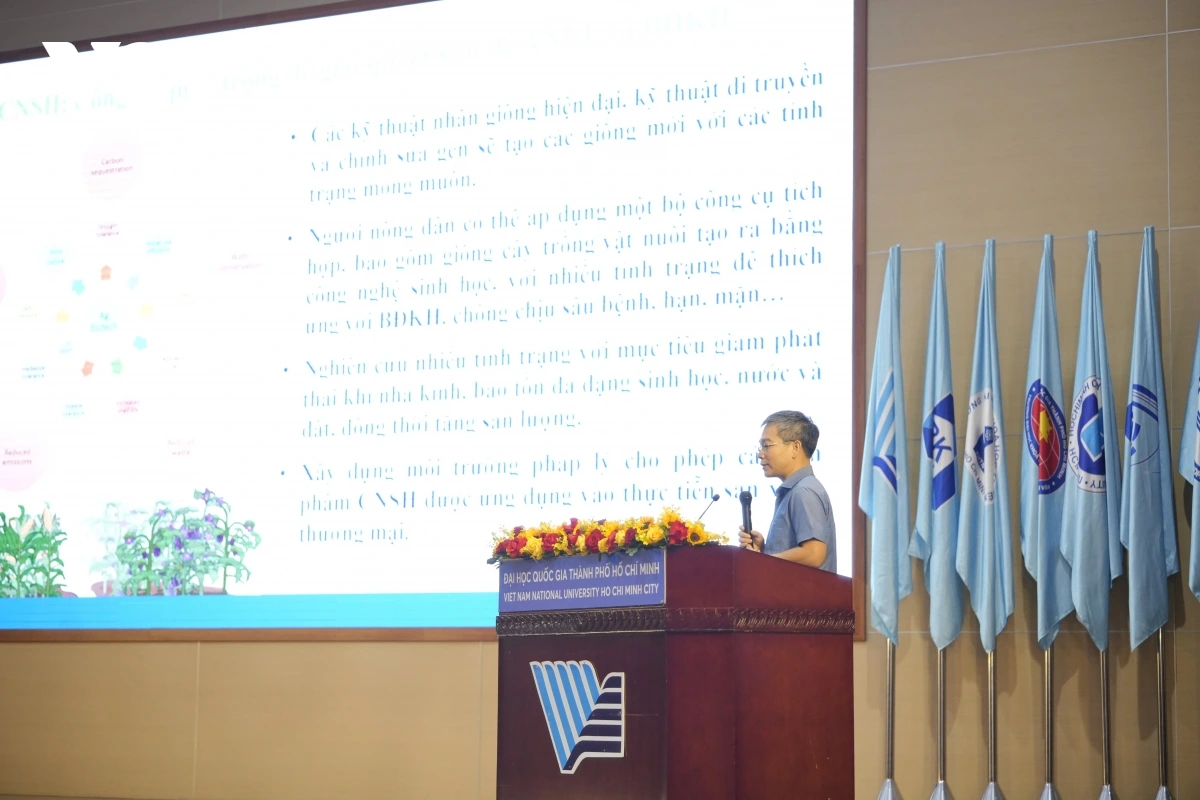
The National Scientific Conference on “Biotechnology Development Strategy 2026–2030, Vision to 2045” took place on November 29 at Vietnam National University–Ho Chi Minh City. The event brought together a large number of scientists, government leaders and domestic and international enterprises.
Delivering a keynote address, Mr. Huynh Thanh Dat, Deputy Chairperson of the CPV Central Committee’s Commission for Communication and Mass Mobilization, emphasized the pivotal role of biotechnology.
According to him, this is not merely a scientific discipline but a strategic knowledge foundation that directly determines medical security, food security, environmental sustainability, and national competitiveness. Although Vietnam has adopted a knowledge-based growth model, the implementation in practice still faces numerous obstacles.
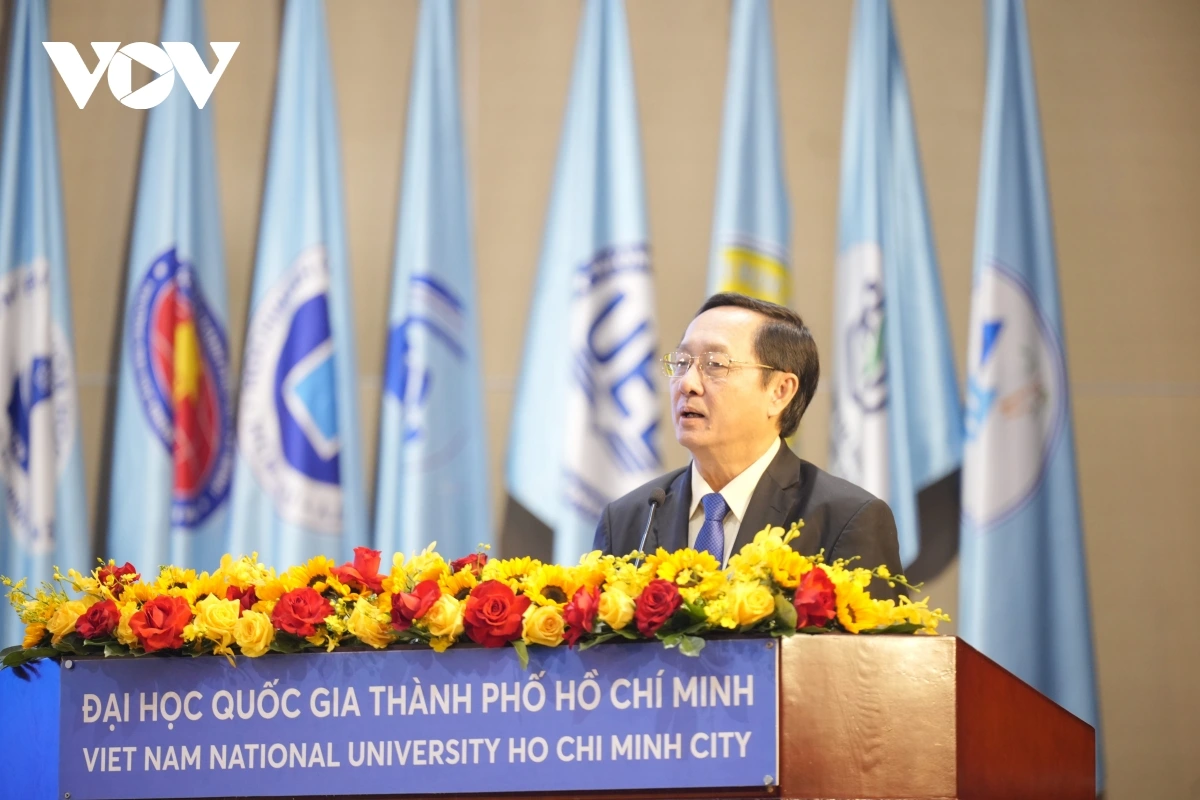
Therefore, the conference is expected to serve as a bridge to realize Resolution 36 on the development and application of biotechnology for the country’s sustainable growth and Resolution 57 on breakthrough development in science, technology, innovation, and national digital transformation issued by the Politburo, aiming to build a modern, autonomous biotechnology industry that contributes significantly to GDP.
One concern raised at the conference was the “resource paradox.” According to Assoc. Prof. Dr. Nguyễn Thị Thanh Mai, Vice President of Vietnam National University – Ho Chi Minh City, despite Vietnam’s substantial potential, inefficient utilization has led to “a significant waste of research resources.”
Assoc. Prof. Mai cited that Vietnam National University–HCMC currently has between 7,000-8,000 students in biology, agriculture and health sciences, along with nearly 250 PhD researchers specializing in these fields.
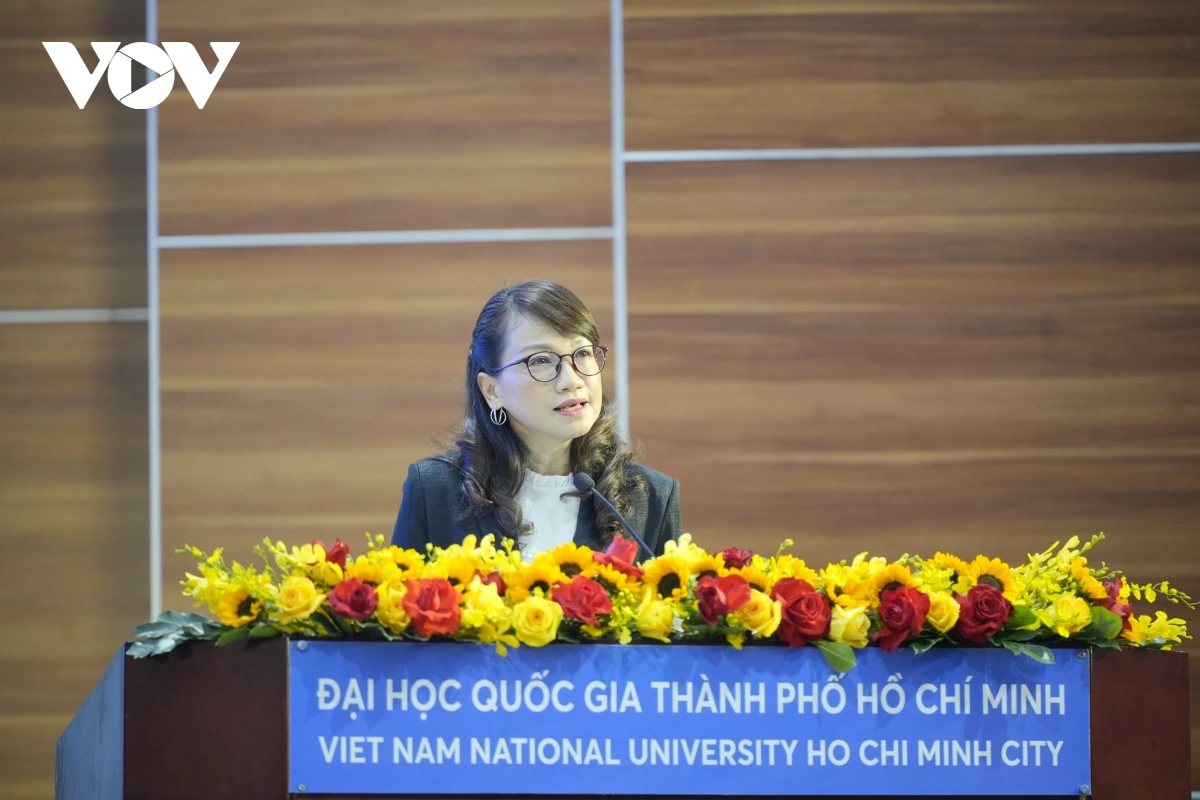
Despite the large number of scientific publications, the practical applications remain modest, lacking significant impact or meeting societal expectations.
According to the leadership of Vietnam National University–HCMC, biotechnology cannot stand alone; it needs support from medicine, pharmaceuticals, artificial intelligence, mechanical engineering, and particularly the “Three-Pillar” linkage model: Government – Academia – Businesses. However, the current legal framework is becoming a barrier that discourages businesses from investing.
Assoc. Prof. Dr. Nguyen Thi Thanh Mai noted: “In the field of biotechnology, we assess that it is relatively easy to produce an applied product. However, because these products often relate to human health, the current processes for research, testing, evaluation and licensing are extremely difficult and time-consuming. This leads to scientists lacking the resources to continue their work until the final stage, while enterprises are hesitant due to the high risks involved in investing in new products.”
Breakthrough with quantum computing
From the business perspective, Mr. Tran Kim Chung, Chairman of CT Group, affirmed that biotechnology has profound and far-reaching impacts on the entire socio-economic development landscape in the new era.
He emphasized that Resolutions 36 and 57 have provided a strategic legal framework with bold objectives, in which the “Three-Pillar” collaborative model plays a central role.
To create momentum for a breakthrough, CT Group proposed comprehensive cooperation with Vietnam National University–HCMC across multiple areas, including developing shared laboratories, training high-caliber human resources, promoting startup innovation, and, notably, establishing national digital infrastructure for the biotechnology sector.
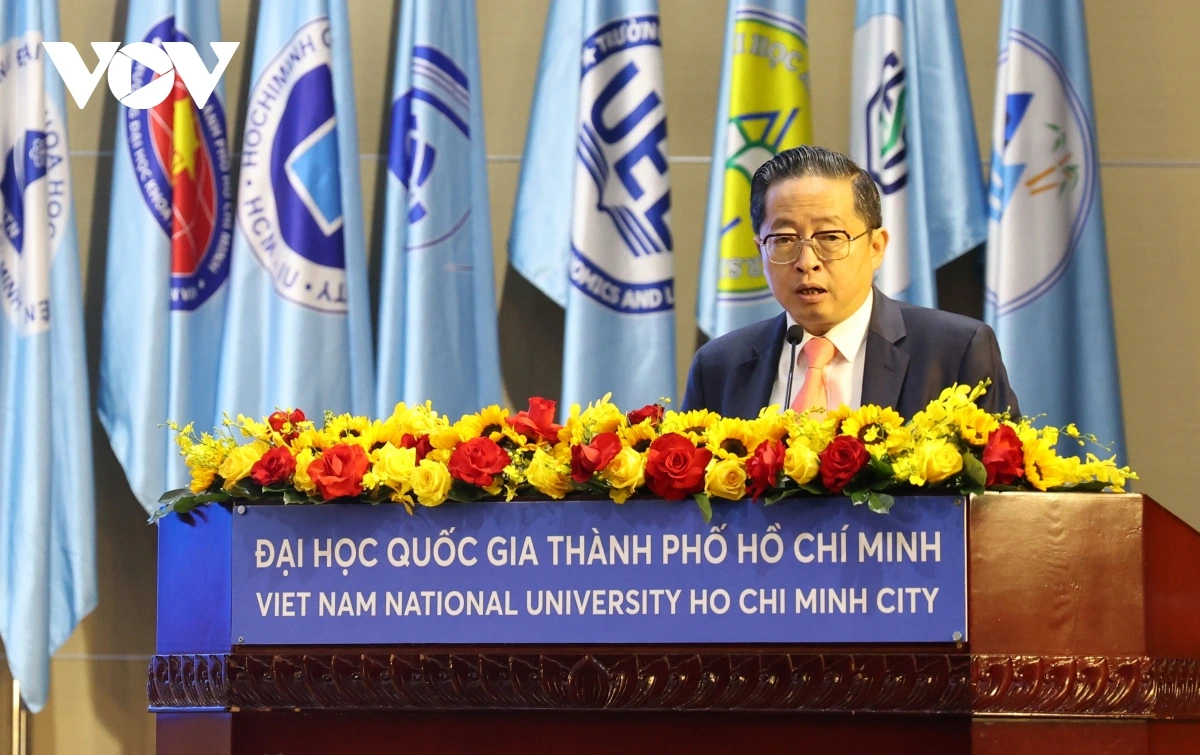
Notably, Mr. Tran Kim Chung put forward a proposal to deploy Vietnam’s first quantum computer exclusively for the biotechnology sector. He explained that current gene-editing computations can take several dozen days to complete, and any interruption may require restarting the entire process from scratch, posing significant risks. With a supercomputer, however, the processing could be completed in just a few seconds, creating a leap in research capability.
He stated: “We are proposing the development of national digital infrastructure for biotechnology, including a national Digital Twin and the near-space economy. These are new growth drivers, particularly in the areas of smart agriculture and precision agriculture. In addition, we boldly propose that the Central Government deploy Vietnam’s first quantum computer dedicated solely to the biotechnology sector, enabling the execution of a highly ambitious five-year plan, fully aligned with the spirit of Resolutions 36 and 57.”
The conference concluded with a unified message: biotechnology can absolutely become Vietnam’s new growth engine in the coming decade. However, the prerequisite is to thoroughly remove institutional and infrastructure bottlenecks and to unlock the flow from laboratories to the market.