
In recent years, ESG in the construction industry has become increasingly important. It is no longer limited to sustainability reports. Today, ESG influences how companies select materials, design buildings, manage production, and enter international markets. This shift is driven by the significant environmental impact of the construction sector. According to the United Nations Environment Programme (UNEP), buildings and construction activities account for approximately 32% of global energy consumption and contribute around 34% of global CO₂ emissions.
Therefore, a building cannot be considered sustainable simply because it uses green materials, integrates renewable energy, or can be constructed faster. The value of ESG in the construction industry increasingly needs to be demonstrated through measurable data across the entire building lifecycle.
ESG Is Becoming a New Standard for the Construction Industry
ESG consists of three core pillars: Environmental, Social, and Governance. Within the construction industry, these three factors are closely interconnected.
A material with lower emissions does not necessarily create sustainable value if it lacks durability or fails to meet safety requirements. Similarly, a building completed quickly but without proper quality control, material traceability, and transparent governance processes may struggle to meet ESG expectations.
This transformation is becoming increasingly evident in developed markets. Regulations such as the European Union Carbon Border Adjustment Mechanism (CBAM) are encouraging businesses to pay greater attention to emissions data throughout their supply chains, particularly in carbon-intensive industries such as steel, cement, and aluminum.
At the same time, transparency requirements for construction products are becoming more important, including material origins, performance efficiency, recyclability, and environmental impact. This demonstrates that ESG is no longer simply a sustainability commitment. More importantly, businesses need reliable data to validate and demonstrate their commitments.
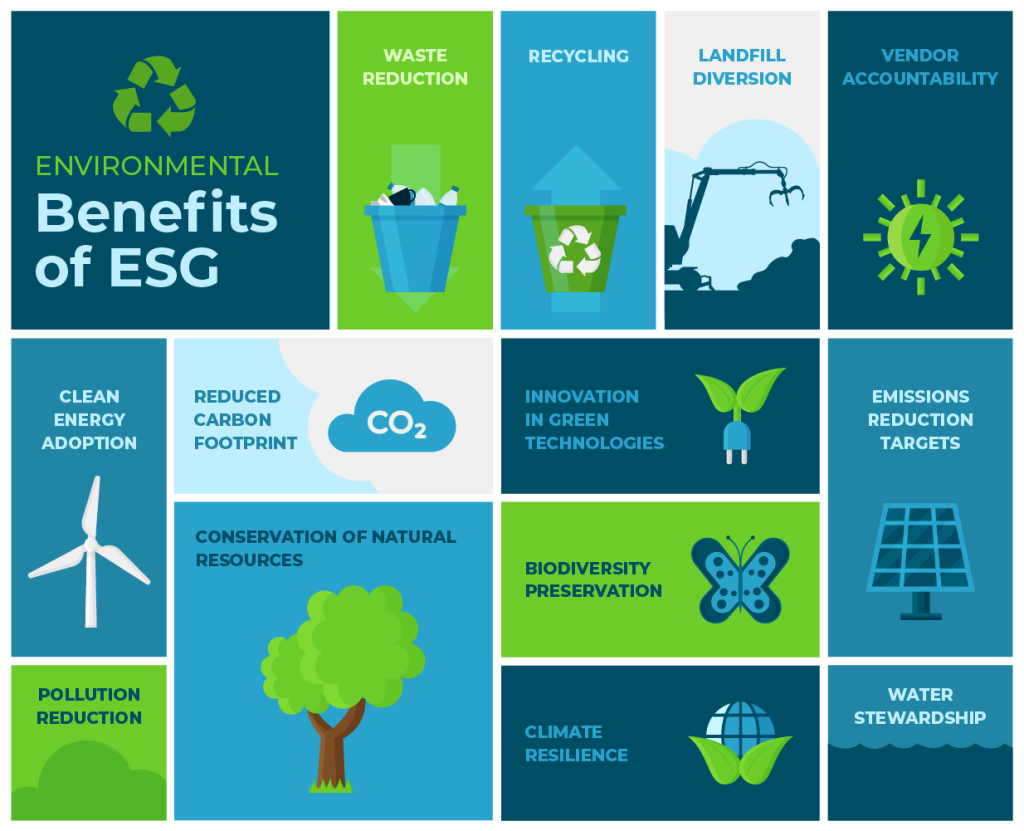
How Does Modular Construction Support ESG Goals?
Modular construction transfers a significant portion of the building component production process into a controlled factory environment instead of carrying out all activities directly on-site. This approach creates several potential advantages:
- Better material control: Factory-based production enables more accurate material management, controlled fabrication processes, and more consistent product quality.
- Reduced on-site impact: Shorter construction timelines can help minimize dust, noise, construction waste, and disruption to surrounding areas.
- Enhanced reusability: Properly designed modules can be dismantled, upgraded, relocated, or reconfigured instead of being completely demolished when usage requirements change.
However, modular buildings do not automatically qualify as ESG solutions. Their environmental performance still depends on multiple factors, including:
- Materials used
- Energy consumption during manufacturing
- Transportation distance
- Structural design
- Building lifespan
- Actual reuse potential
ESG only creates meaningful value when these benefits can be measured and supported by reliable data.
A New Trend: Designing for the Entire Building Lifecycle
The construction industry is shifting from a traditional “build and hand over” mindset toward a “design for the entire lifecycle” approach.
A building designed with ESG principles must consider every stage of its lifecycle:
- Manufacturing
- Transportation
- Installation
- Operation
- Maintenance
- Disassembly
- Reuse
Moreover, design approaches that enable disassembly, component replacement, and material traceability are becoming important criteria in sustainable construction.
Before determining whether a building is truly sustainable, several questions need to be considered:
- How are emissions data calculated?
- Does the assessment cover the entire lifecycle of the building?
- Can materials be traced back to their sources?
- Can the building be repaired or reused?
- How are safety standards and operational responsibilities managed?
These questions help transform ESG from a communication message into a measurable and verifiable management framework.
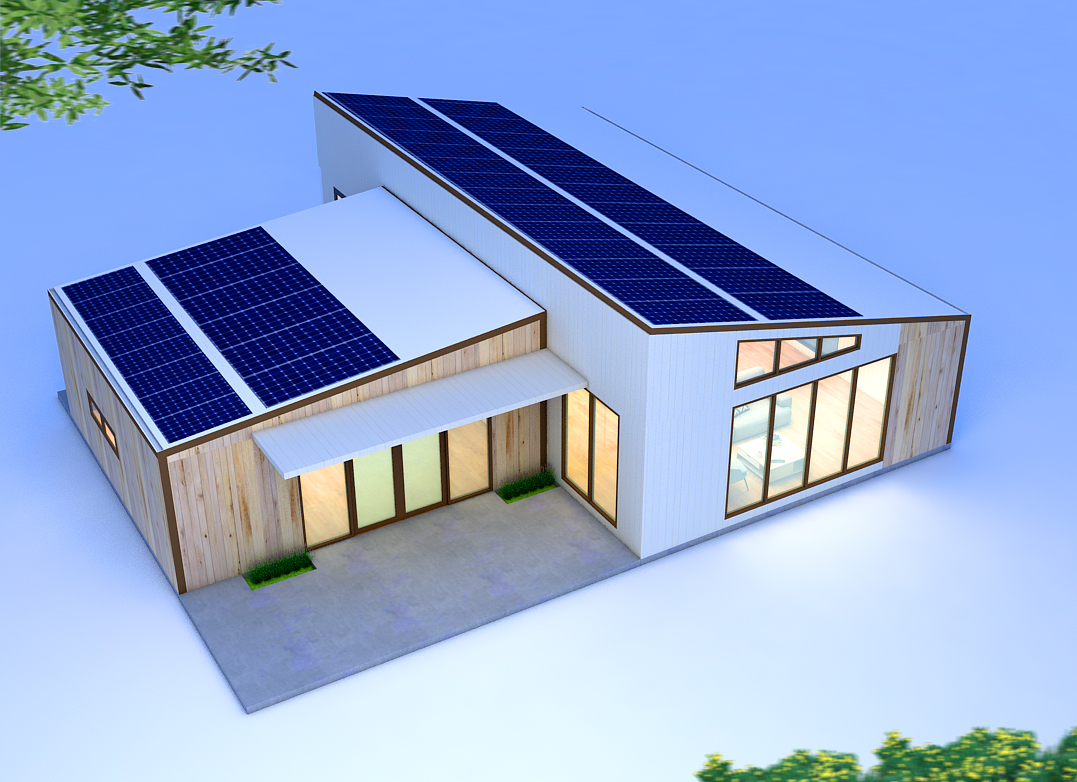
Images are for illustrative purposes only.
CT Modulex Approaches ESG Through Measurability
With the vision of developing foldable modular spaces that can be deployed directly at the point of use, CT Modulex integrates ESG considerations from the product design stage.
Instead of focusing only on individual factors such as materials or construction speed, the solution aims to optimize the entire system, including:
- Design
- Materials
- Manufacturing
- Logistics
- Installation
- Operation
Environmental factors focus on material efficiency, transportation optimization, manufacturing energy consumption, waste reduction, and redeployment capability. Social considerations focus on user safety, comfort, and adaptability to different local conditions. Governance requirements emphasize transparent technical data, testing results, and clear application information.
For CT Modulex, ESG does not begin with a statement about a “green home”. ESG begins with measurable questions:
- What materials are used in each module?
- What impacts are generated throughout each stage?
- How is the module manufactured, transported, and operated?
- Can it be repaired, upgraded, or reused?
Ultimately, companies that prove their commitments through data, transparent processes, and verified outcomes will gain stronger competitive advantages.